Month-End Reconciliation: 5 Days to 2 Hours
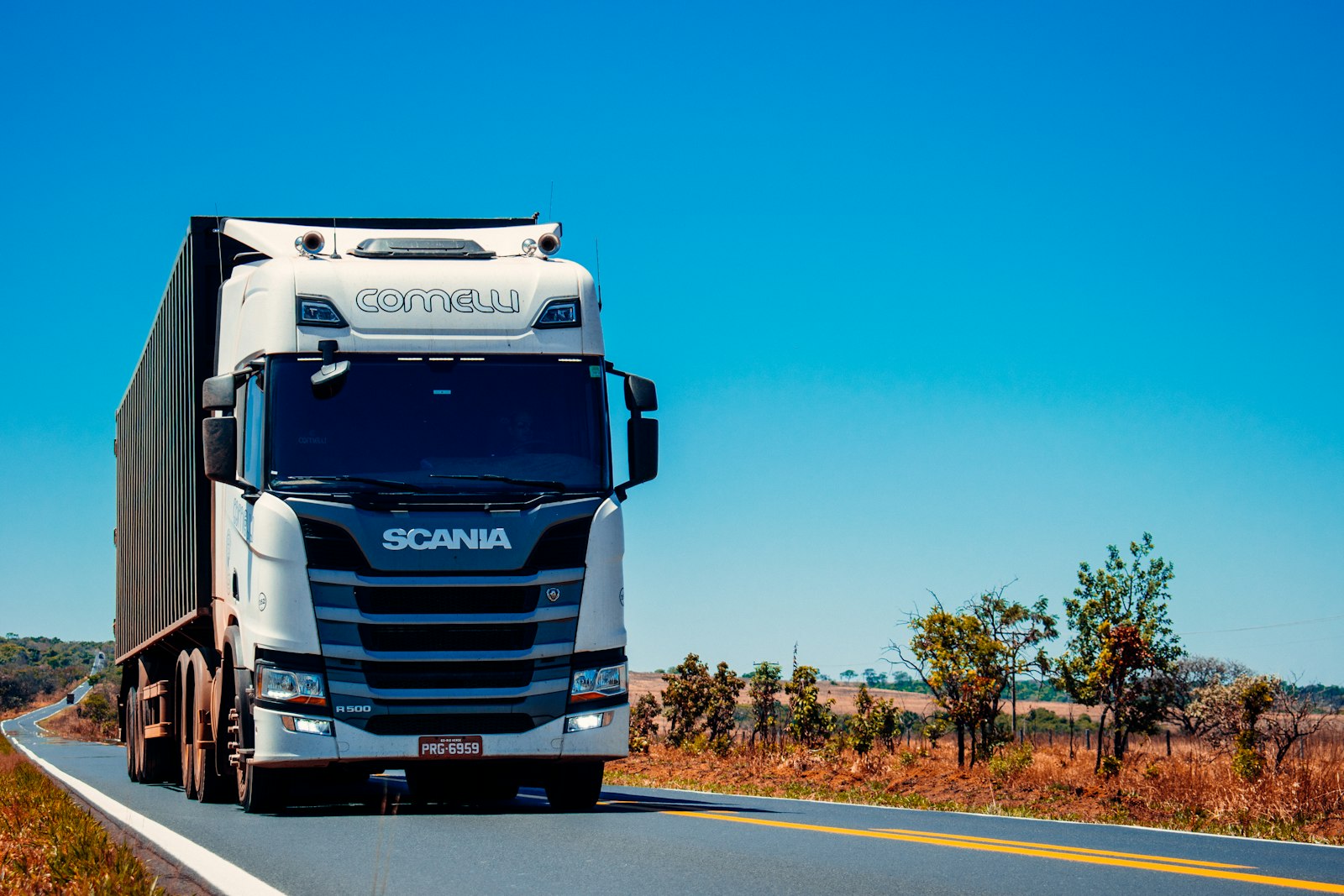
A logistics firm cut month-end reconciliation from 5 days to 2 hours by linking driver logs, fuel and accounting into one automated ERP flow — not by hiring more staff.
Every month-end, the owner and the bookkeeper sit down with a stack of driver fuel slips, delivery notes and warehouse rent invoices, matching every line against Excel by hand until well past 10pm. One typo means redoing the whole sheet, and it delays payroll and tax filing too.
Why does month-end reconciliation always run so late?
Because the records live in separate places: drivers log fuel on paper, the warehouse tracks stock in Excel, and accounting issues invoices in a different system entirely. Someone has to retype all three into one monthly statement by hand. After we integrated ERP and accounting for one logistics company, that same reconciliation process dropped from a full 5 days to under 2 hours, and the bookkeeper no longer works late every month-end.
What actually makes an ERP-to-accounting integration save time?
The point isn't buying another piece of software — it's connecting driver dispatch, warehouse stock movement, fuel logs and accounting invoices into one data flow, so data is entered once and syncs automatically instead of being retyped. After the integration, drivers completed 12% more deliveries per day, simply because they no longer had to stop and fill in paper logs — a phone tap was enough. See the full breakdown in this logistics ERP integration case study.
Which logistics companies benefit most from this kind of integration?
If any of the following sounds familiar, an ERP integration usually pays for itself within a year:
- Over 100 driver, fuel and warehouse invoices to enter by hand every month
- The owner wants to see which routes are profitable in real time, instead of waiting for month-end books
- Drivers still log jobs on paper, with frequent missed or lost records
- The company wants to apply for government digitalisation funding but has no concrete system plan yet
Does rolling this out mean stopping operations, and how long does it take?
No. We always roll out in phases — connecting the core driver dispatch and fuel modules first, so within two to three weeks drivers and accounting can run old and new workflows side by side before switching over fully, with operations continuing throughout. See our custom system development service for how we scope this.
Frequently asked questions
We only run 3-4 trucks — is ERP integration still worth it for a company this small?
Yes. Smaller companies actually see results faster, since manual reconciliation already eats a larger share of their time, so the time saved shows up in bookkeeping hours immediately rather than after years of scale.
How much does integrating ERP and accounting software cost?
Cost depends mainly on how many systems you need connected and how complex the business logic is. Getting a free quote first is the fastest way to scope the real range and find the most cost-effective approach.
Our current accounting software has no API — can it still be integrated?
Most mainstream accounting software offers an API or export interface. Even without one, we can bridge the gap with scheduled automatic import/export, so automation is still achievable.
Beyond ERP integration, what else can AI help with?
Beyond reconciliation, AI can auto-categorise invoice types and flag unusual expenses early. See our AI automation service for more on where this applies.
If month-end reconciliation is the part of your business that always hurts, tell us your current process and we'll tell you straight away which part saves the most time first, plus the real cost and timeline. Get a free quote now, or check our FAQ to see how we work.