Can a QR Ordering System Really Let You Cut One Staff?
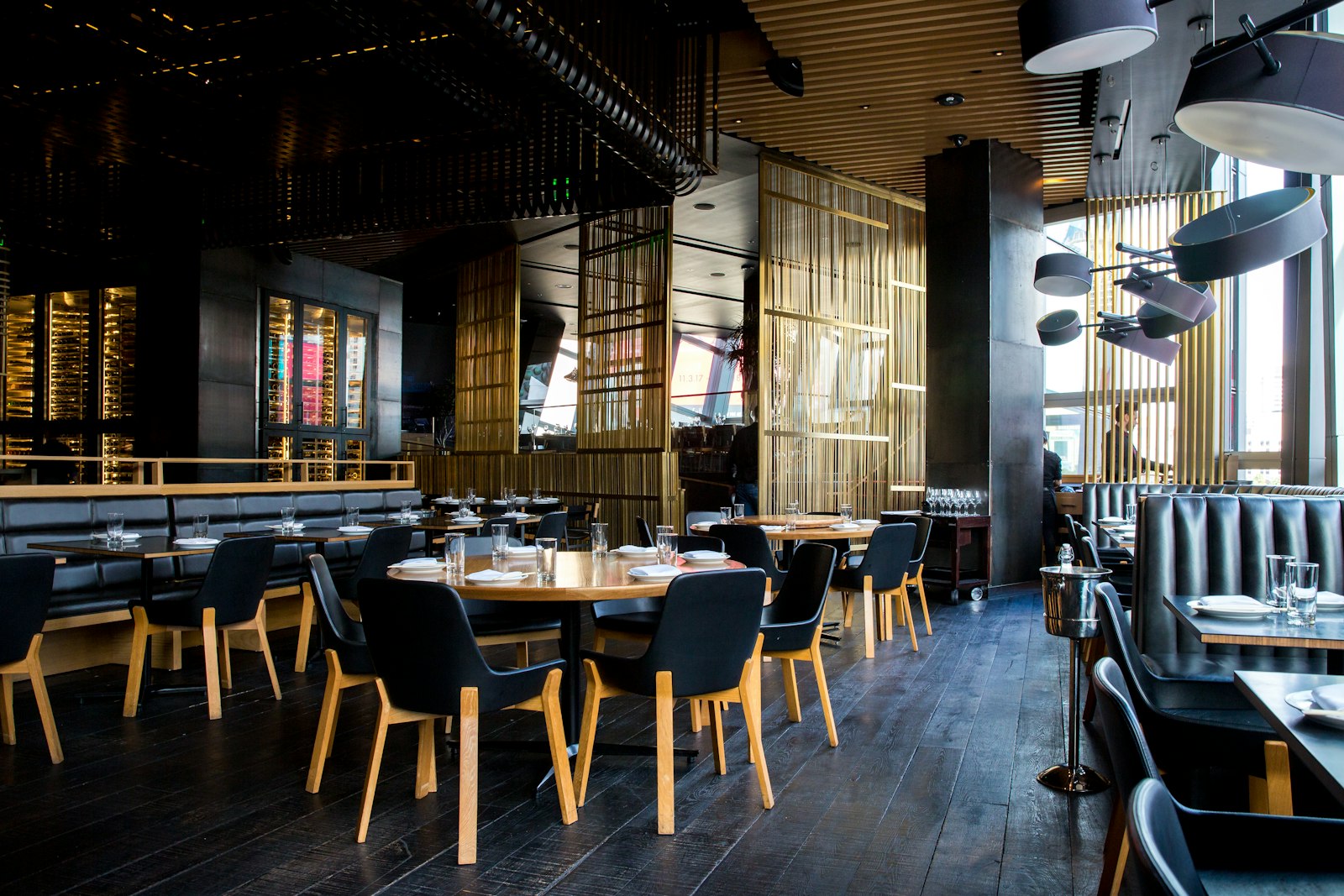
Can QR ordering really let a restaurant cut one floor staff? Using a 40-seat cha chaan teng as the example, here's the labor math, payback period, and which restaurants should skip it.
Handwritten order slips, mixed-up tables, and a queue at the till during peak hours — these are daily friction points for many Hong Kong restaurant owners. QR code ordering systems promise to fix all of it, but the number that actually matters is simple: does the labor saved cover the system's monthly cost?
How does a QR code ordering system actually work?
Customers scan a QR code at the table, browse the menu, and place or add orders directly from their own phone. Orders route straight to the kitchen and POS, so floor staff stop walking back and forth taking notes. Paired with POS integration, guests can even settle the bill themselves, leaving staff free to focus on serving food. This model has been standard in Taiwan and Singapore chains for years and only started catching on among Hong Kong's smaller restaurants recently.
How much staff time does a mid-size restaurant actually save?
Take a 40-seat cha chaan teng as an example. Peak lunch and dinner service typically needs two to three floor staff just to take and deliver orders. After switching to QR ordering, the same headcount can cover 10-20% more tables since order-taking is removed from their workload — often enough to avoid hiring one additional full-time server, saving roughly HK$12,000 to HK$15,000 a month including MPF.
When does QR ordering not make sense?
Neighbourhood eateries with a mostly elderly customer base, or shops with fewer than 15 tables, tend to see a longer payback period and may not benefit. Restaurants with high takeaway volume, fast table turnover, and a younger customer base usually recover the investment within 6 to 10 months, making them the best fit for this kind of system.
A few common scenarios worth noting:
- Fast lunch spots: faster turnover directly shortens the queue and boosts table turns
- Multi-branch chains: head office gets one dashboard covering sales and staffing across all locations
- Late-night snack stalls: orders cluster into short bursts, and QR ordering spreads that load off the floor staff
What does it cost to build?
A QR ordering system can be deployed standalone or integrated with existing reservation and membership systems. A standalone deployment's setup fee plus monthly cost is often recovered within a year purely from labor savings. Combining it with membership, delivery platforms, and inventory falls under custom system development — worth mapping the full three-year cost before committing.
FAQ
Will older customers find QR ordering frustrating?
Some will. That's why most successful rollouts keep a printed menu and staff-assisted ordering available — QR ordering supplements the floor team rather than replacing it entirely.
How is QR ordering different from a dedicated ordering app?
QR ordering needs no download and works instantly for walk-in customers, while a mobile app suits loyal customers better — stamp cards, push promotions, and repeat visits. The two typically coexist, each serving a different customer segment.
Does adopting QR ordering mean cutting staff?
Not necessarily. Many owners keep headcount unchanged and redirect the time saved into better service and higher table turns — the same financial benefit shows up as revenue growth instead of a smaller payroll.
How do I know if my restaurant is a good fit?
The same logic used in our booking app case study applies here — start from actual labor cost and process pain points, not from what competitors have installed.
Want to know how much labor cost your restaurant could actually save with QR ordering, and how fast it would pay back? Get a free quote — we'll run the numbers based on your table count and footfall. You can also check our FAQ for more details.