Own Shop or Marketplace? What HK SMEs Should Weigh
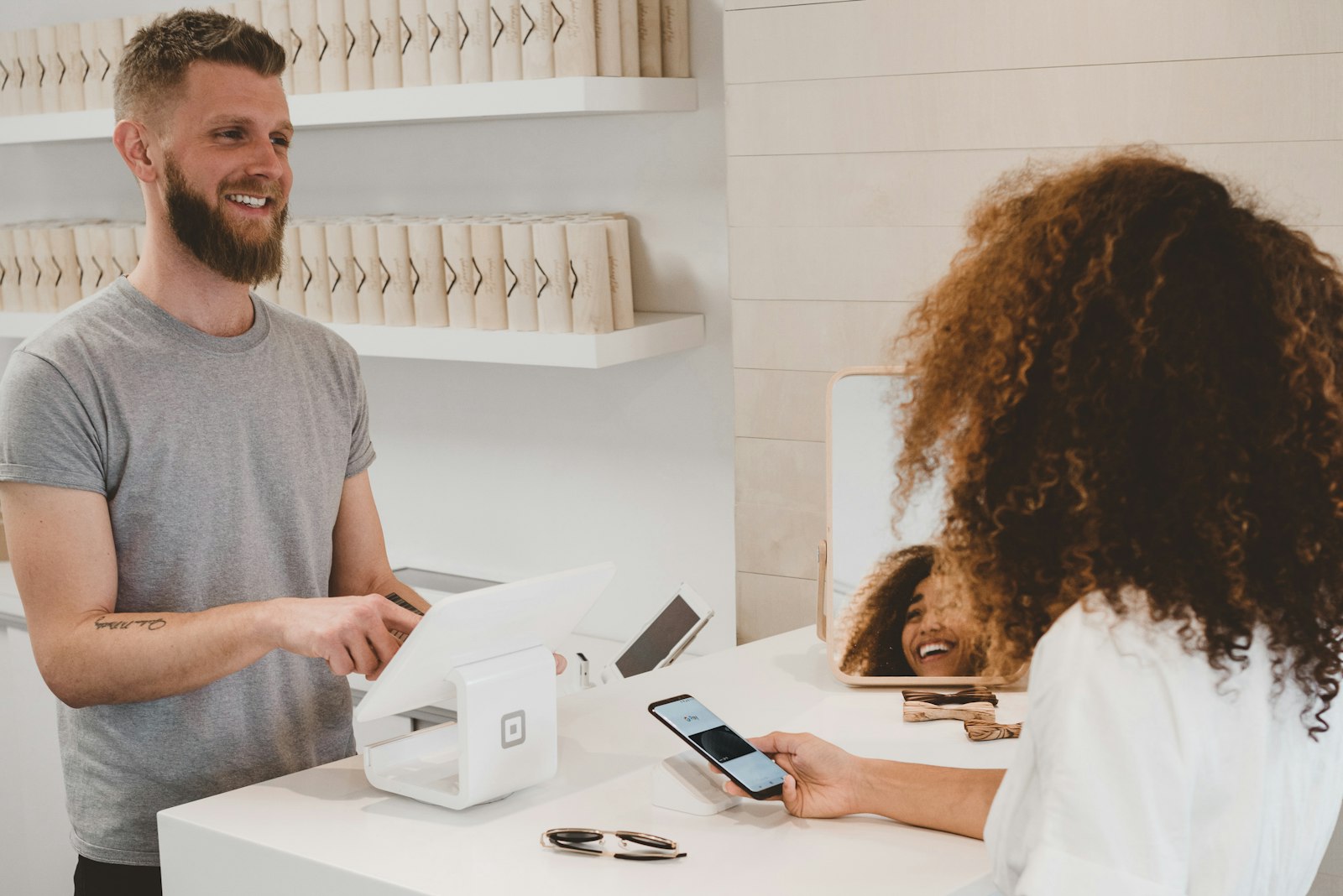
An owned shop keeps your data and margin; marketplaces lend traffic but take a 5–30% cut with no customer list left — buyers stay the platform's, not yours.
The question we hear most: "Can I just sell on HKTVmall and skip building my own shop?" The answer is rarely either-or, but getting the priority wrong means discovering a year later that you never owned your customer list.
What's the real difference between your own shop and a marketplace listing?
Your own shop means you own the site, the brand, and the customer data. A marketplace listing means borrowing someone else's traffic — but the rules, the commission, even how you contact your customers, are not yours to decide. Long-term, control is what determines whether you can generate repeat business. Building an owned shop is less complex than most owners expect, provided the feature set and architecture are right.
Platform rules change without warning — commissions rise, ranking algorithms shift, and your visibility can drop overnight. An owned shop removes that risk entirely because you hold the controls.
How do commissions and fees actually compare?
Marketplace commissions typically run 5% to 30% depending on category and platform. An owned shop costs a few hundred dollars a month for hosting and tools. The bigger you grow, the more that commission gap compounds against you.
- HK$50k monthly sales: platform commission roughly HK$2,500–15,000, versus ~HK$800 for an owned shop
- HK$200k monthly sales: platform commission roughly HK$10,000–60,000, owned-shop cost stays near HK$800
- The gap widens with scale — that difference could fund ads or SEO instead
Who actually owns the customer data, and why does it matter?
An owned shop lets you track exactly who bought what, when, and how often — data that feeds directly into AI-driven content and remarketing. In our KK Market case study, deploying an AI marketing content engine cut content production time by 85% and tripled Instagram posting frequency — a level of efficiency impossible on a marketplace, because there's no customer list to work from.
Marketplace buyers remain "the platform's customers." Reaching them again usually means paying for ads through the same platform you already sold to — a structurally backwards arrangement.
Do you need a marketplace to get any traffic at all?
No. An owned shop can build long-term traffic through SEO and AEO plus AI search recommendations, without paying a cut on every order. Early traffic is slower than an instant marketplace listing — that's a trade-off, not a flaw.
Solid SEO/AEO work can get tools like ChatGPT and Perplexity recommending your shop directly — a traffic source no marketplace can offer you.
Should you run both, and how do you split the work?
Many clients run both: the platform drives exposure, the owned shop captures repeat customers. Treat the platform as a billboard and the owned shop as the actual asset. Gradually routing platform buyers back to your own shop is the long-term way to cut costs.
If you already have some traffic source but no owned shop yet, this is the cheapest point to switch — you're not starting brand awareness from zero.
Frequently Asked Questions
How long before an owned shop shows results?
Depending on SEO setup and product category, organic traffic typically starts within 3 to 6 months, faster if paired with platform-driven redirection.
Does a small business really need its own shop?
If you plan to build repeat customers long-term, yes — the lifetime value of owned customer data outweighs a one-time platform commission saving.
Can I run my own shop and stay listed on HKTVmall?
Yes, and most clients do exactly that — the goal is gradually converting platform traffic into your own customer list.
What budget do I need to switch to an owned shop?
Depends on required features. A basic shop starts at a few hundred dollars a month; a full quote depends on product count and integration needs.
How do I know which model fits my business?
Start by evaluating your target customers, product margin, and repeat-purchase rate — these determine which model returns more value. See our FAQ page for more common questions.
Not sure how to split the work between your own shop and a marketplace? Get a free quote and we'll break down the real cost and return of each option for your business.